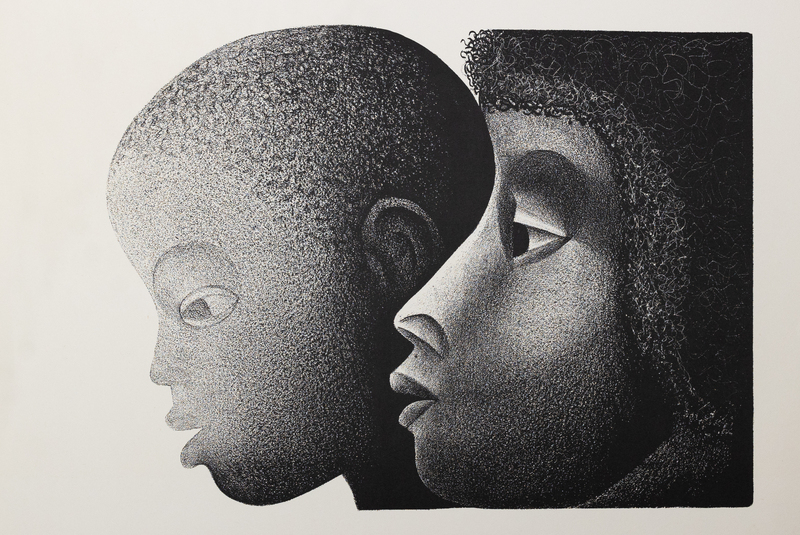
Elizabeth Catlett was an artist and educator from Washington, D.C., who repatriated to Mexico. "Black is Beautiful: Mother and Son" depicts a profile view of a Black woman and her child. Catlett captures the mother's grace and her son's curiosity as they look away from the viewer.
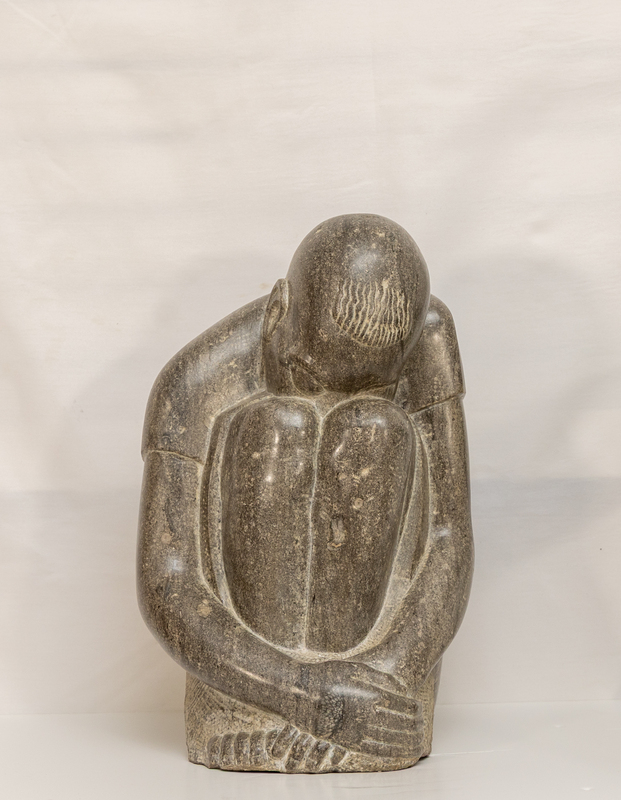
William Artis was a sculptor from Washington, NC. "A Mother's Love" is a limestone sculpture of a mother holding her daughter in her lap. The mother looks down affectionately as she cradles the child's head.
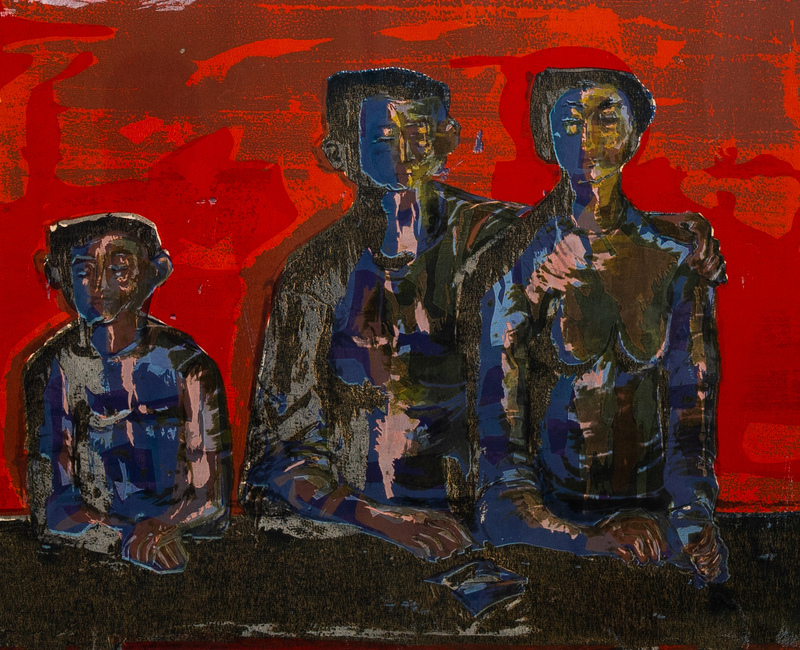
John Payne was an artist from New Orleans, LA. "Awaiting the Welfare Agents" is a mixed-media depiction of a traditional family with pensive expressions. They are sitting together preparing for a visit from a representative of the Department of Human Services.
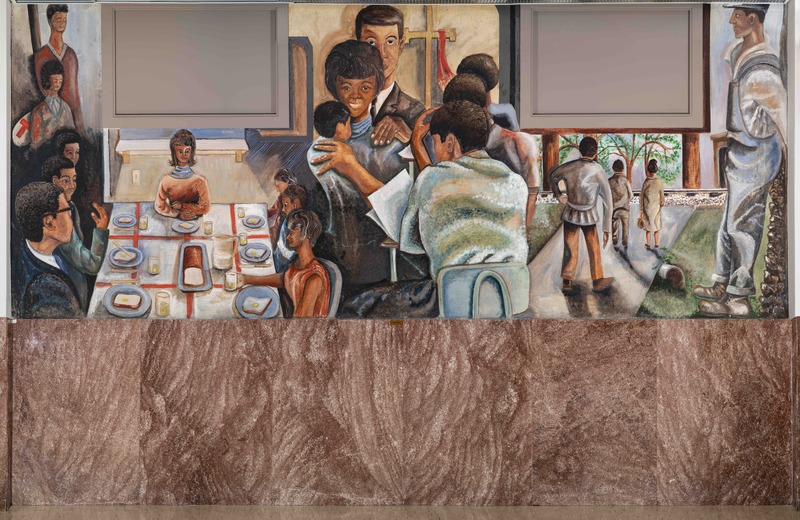
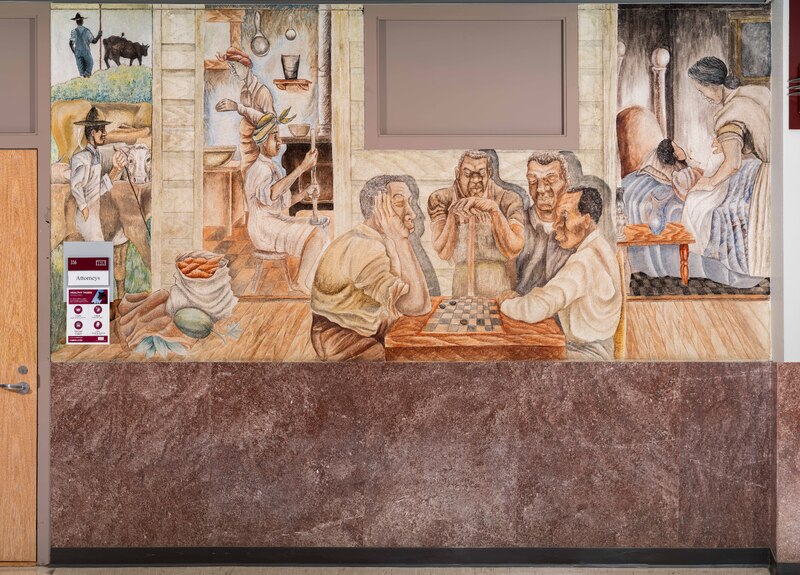
Mass depicts scenes of family life, including a gathering at the dinner table and church services. The laborer at the far right suggests the role of physical work in sustaining the Black family. As in other murals, architectural elements from Hannah Hall are incorporated in this mural.
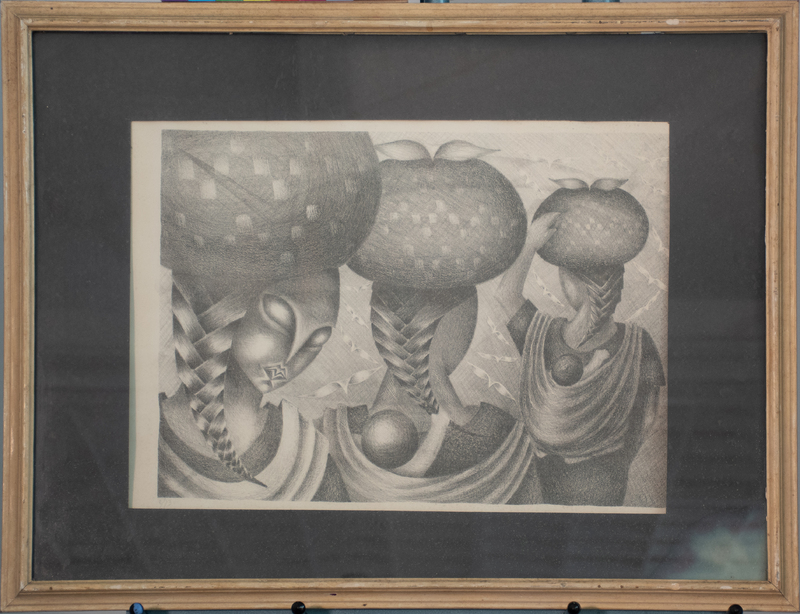
Charoennimuang’s print shows three women wearing babies on their backs and carrying baskets atop their heads. Two of the women’s faces are turned away from the viewer, while the closest gazes back fiercely. All three women’s hair is braided. This print highlights some of the varied and essential types of labor that women carry out.
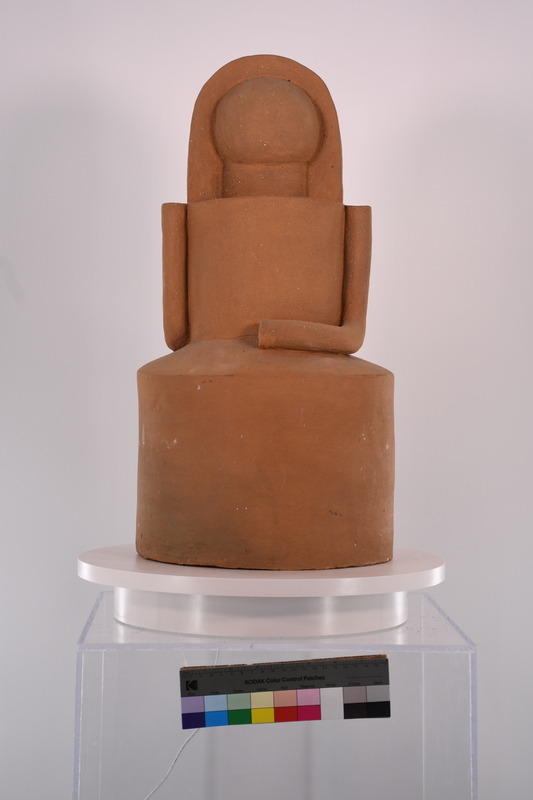
Jafar’s terracotta depicts a mother figure carrying her child on her back. The exterior of the sculpture is smooth and lacking any of the motifs that are normally featured on Texas Southern students’ terracottas, perhaps suggesting the sculpture was left unfinished. The mother and child relationship is one of the most frequently featured themes in the artwork of students of Dr. Biggers and Professor Simms.
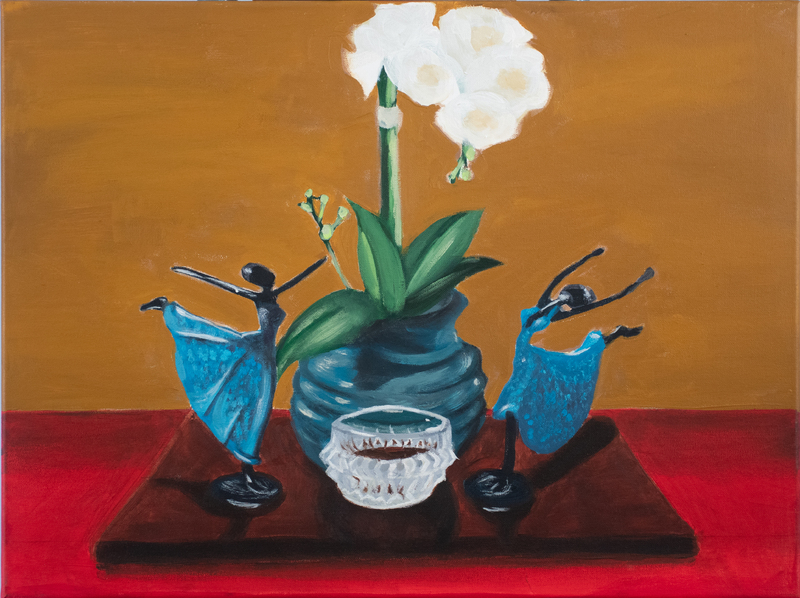
Etienne created her painting, “Dancing Still Life,” as part of a class assignment based on objects within her home. Etienne selected these figures, which her mother collected from the National Museum of African American History & Culture, white orchids in a blue pot, and a glass dish from her grandmother's home. A graduate from Texas Southern University, Etienne emphasizes femininity, movement, and flowers in her art.
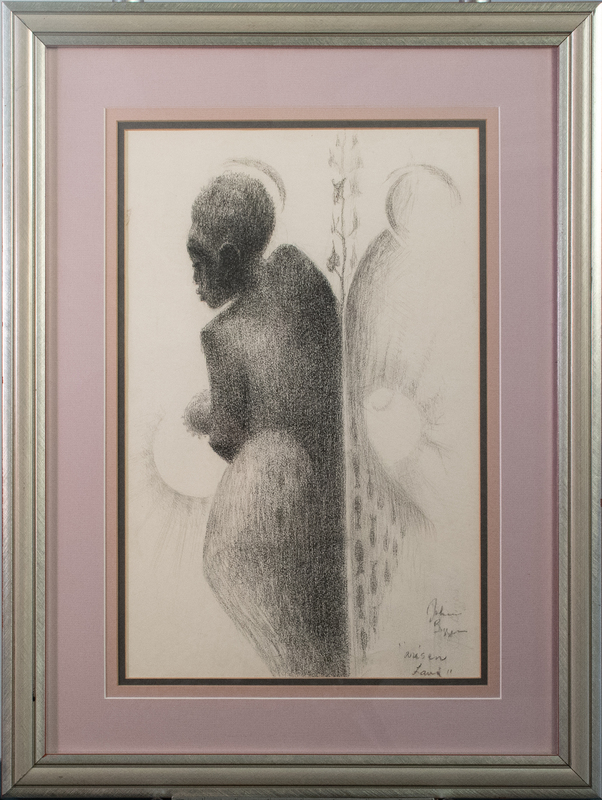
Biggers’ drawing shows a woman and her reflection. The woman, positioned on the left side of the composition, looks slightly back over her left shoulder, while the sun creeps out from around her midsection. The woman is cradling a baby in her arms. Her reflection is drawn loosely with minimal details, and the two are separated by a line of plant and fish shapes.
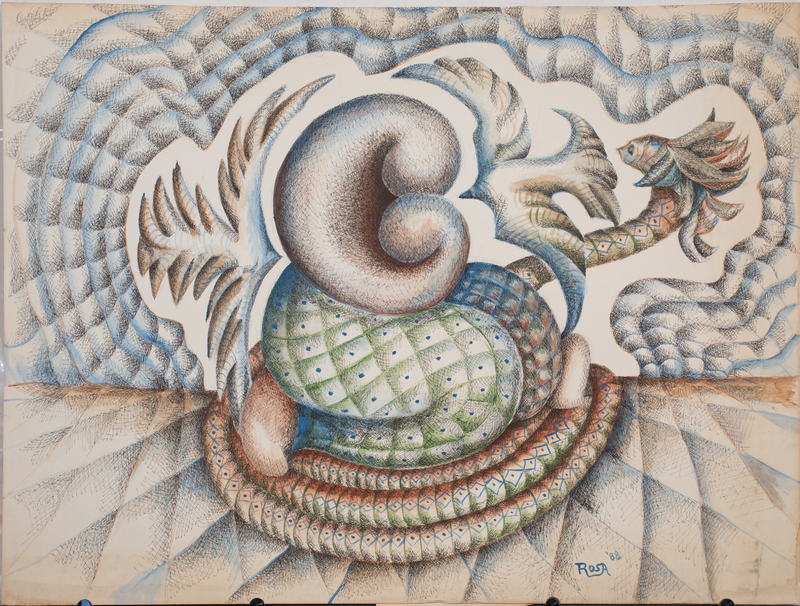
Mendoza’s drawing shows two doves and a serpent protecting an abstract, embryo-like figure. A geometric aura emanates from the bundle of creatures, perhaps alluding to the way parents protect their children. The drawing is created using crosshatching and heavy use of geometric shapes; both of these techniques are characteristic of the work of Dr. John T. Biggers and his students.
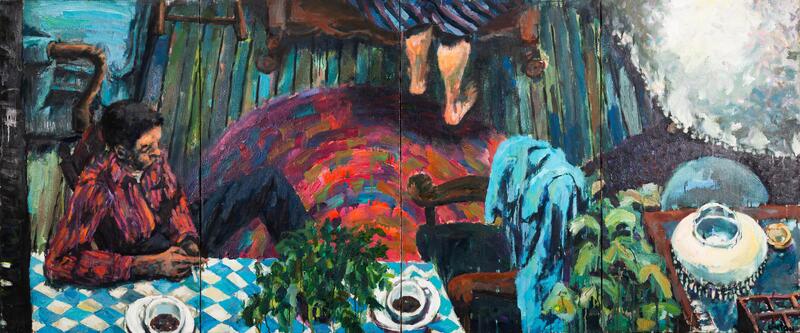
Henri Linton was an artist and art professor from Tuscaloosa, AL. "Easy for One, Hard for Two" is a polyptych depicting the domestic labor expected of wives. The husband sits at the table, fully visible, while the wife's feet and calves are visible as she prepares food for the family in the well-kept house she cares for.
Cleinmann’s mural displays multiple generations of Black women, a manifestation of Biggers’ teachings about their importance. The mural is one of the few unfinished murals in Hannah Hall. Typically, unfinished murals were painted over. The mural was recently restored by conservators.
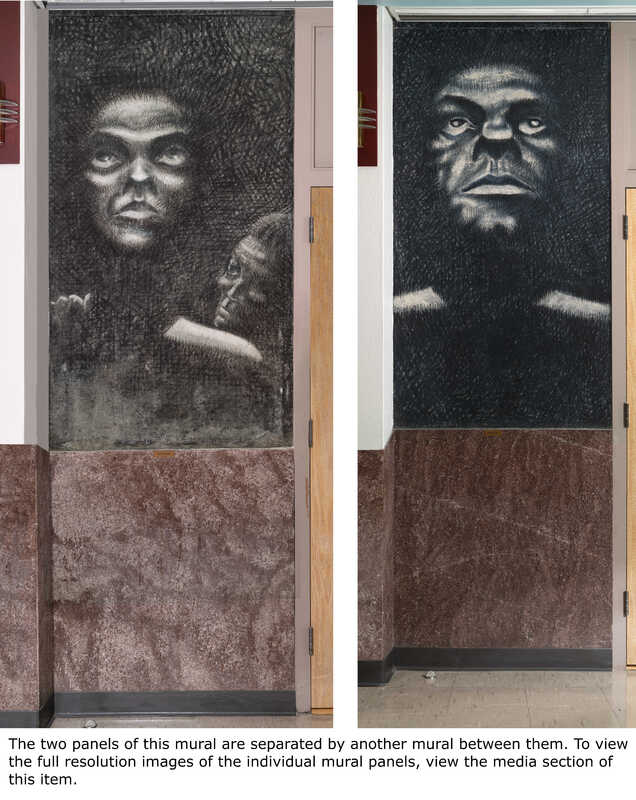
The graphic strength of Oliver's portraits is clearly evident in these two panels. By limiting his palette to black and white, the artist underscores the powerful gazes of the figures. Because of his enthusiasm and talent, Oliver was allowed to create additional murals when empty spaces were available.
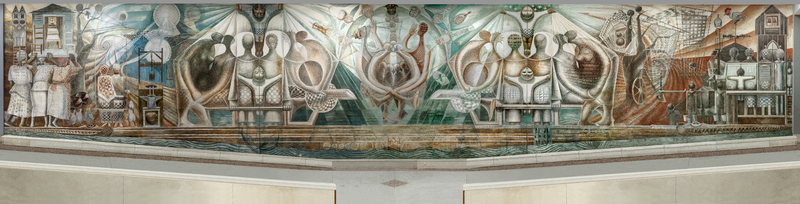
Texas Southern University students commissioned Biggers to paint this mural in the cafeteria of the student center. Composed of several distinct but interrelated images, Family Unity features several Afrocentric motifs that Biggers developed, including sacred geometry (checkerboards and spirals), shotgun houses, and husband-and-wife pairs. At the center is what Biggers called the “morning star,” which shows a couple embracing with their form suggesting a womb.
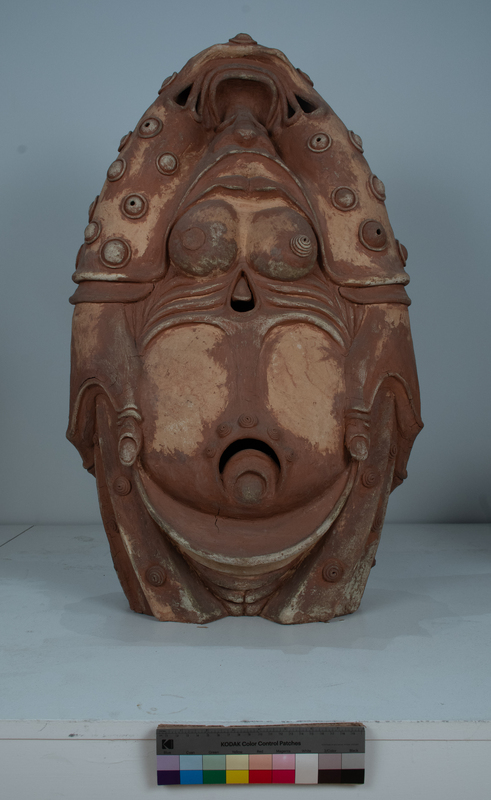
“Fertility” shows an abstract female figure with breasts, an enlarged belly, and oversized hands. Like nearly all students of Professor Simms, Thomas covered his piece in various embellishments, particularly spirals. Oversized hands are also a characteristic of John Biggers’ artwork. The piece has discolored over the years since its creation.
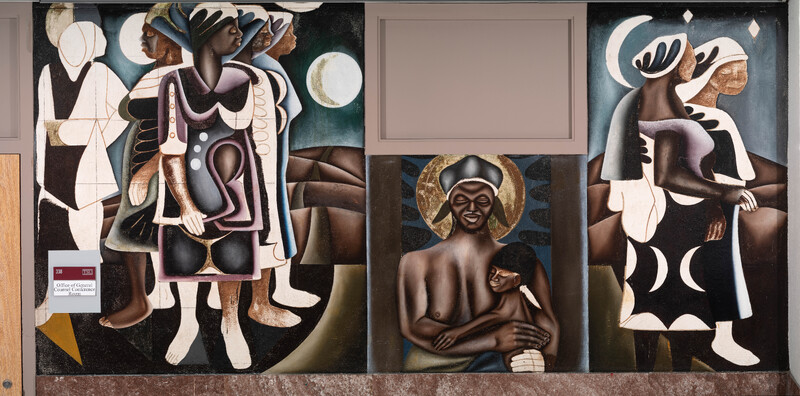
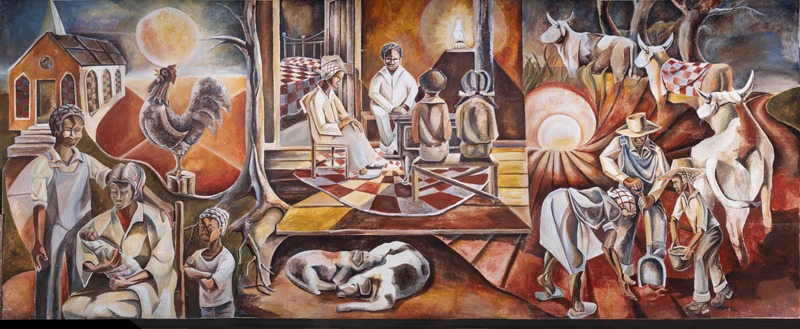
In a triptych style, Williams’ mural shows three central themes: a family gathered around a newborn (religion), seated near a hearth (home), and working together in the fields (labor). Black rural life is a major subject in the Hannah Hall murals.
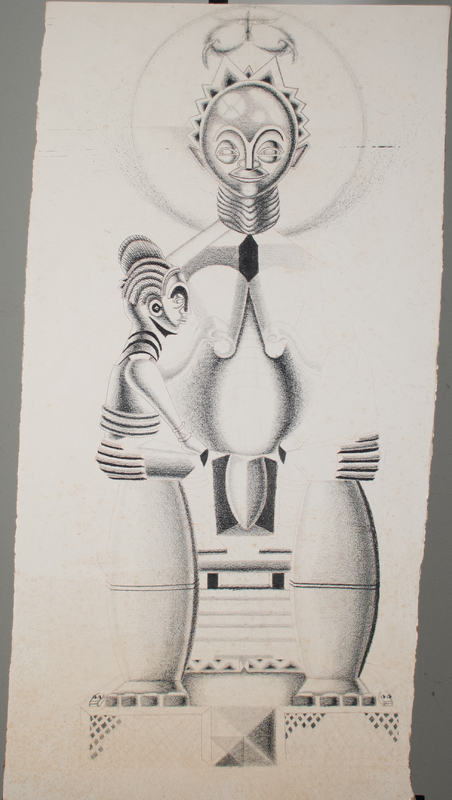
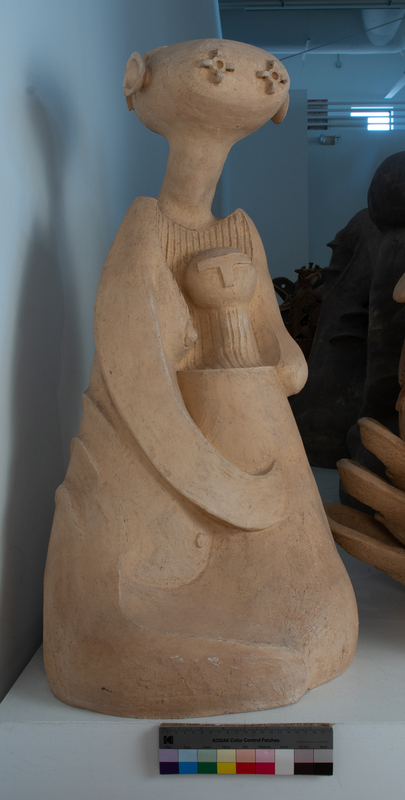
This drawing combines elements of traditional African sculpture and futuristic motifs. The figures’ faces resemble Ashanti akuaba (fertility dolls). The seated mother with a child is also a common motif in African sculpture, as seen in some works from the University Museum’s collection. The figures’ hair textures suggest a more futuristic design.
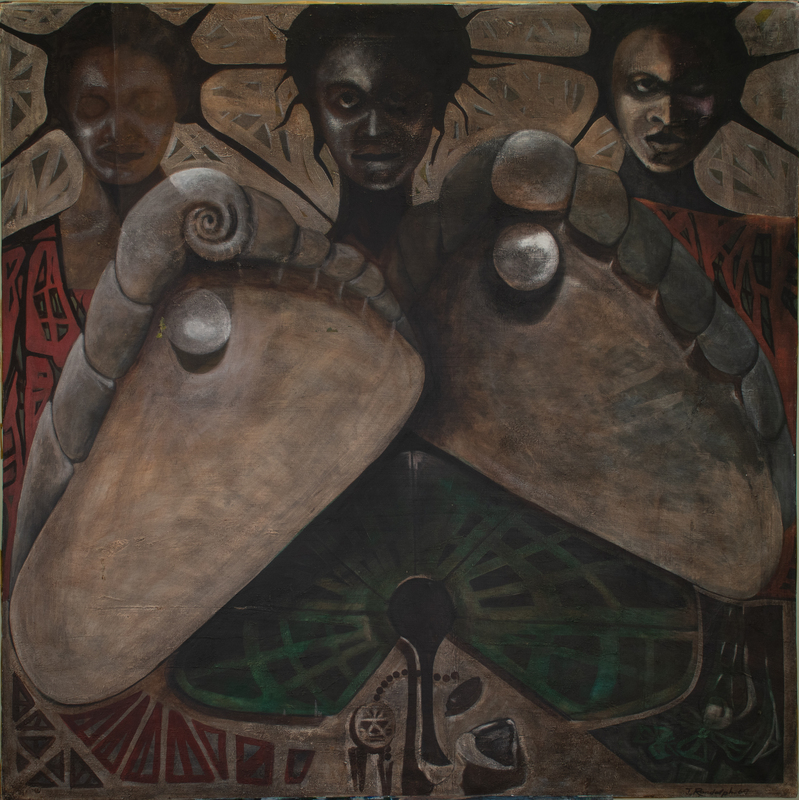
Randolph’s painting shows giant pearls, embedded in oversized shells, in front of a group of three Black women. The pearls reference the beauty of the women, whose hair extends out from their heads to form a unifying pattern between them. Towards the bottom, a leaf fan implies regalness, while the small mask indicates African heritage.
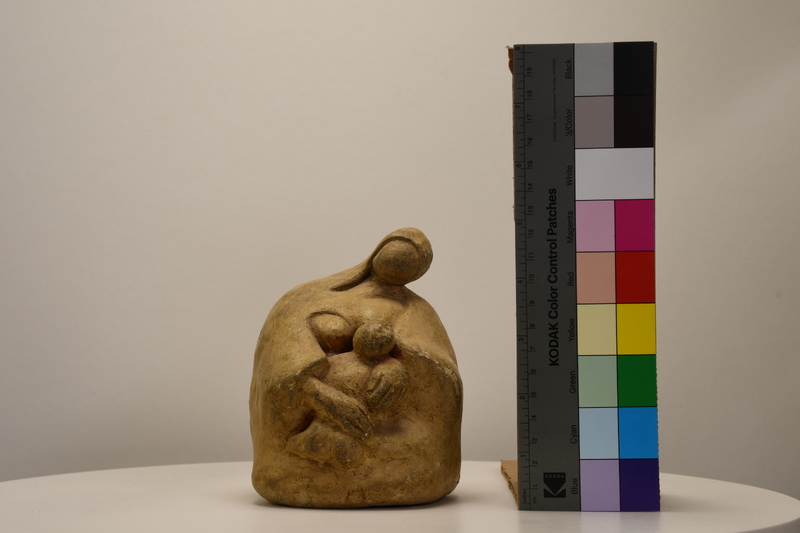
This sculpture is of a mother wrapping her arms around a childlike figure. The artist uses geometric shapes and line work to decorate the bodies and facial features and animate their embrace. Parental protection and the mother-child relationship are frequent subject matters displayed in students' work at Texas Southern University.
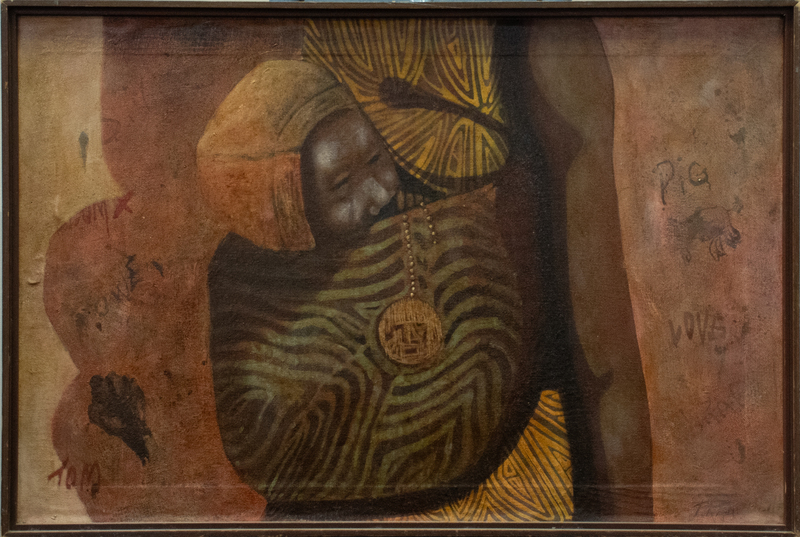
Randolph’s painting shows a mother in an African dress wearing her child on her back with a chitenge. The wall is graffitied with words like pig, power, and love, and an image of a Black power fist. The work contrasts the African aesthetic of the figures with the African-American political graffiti, expressing an idea of global Blackness.
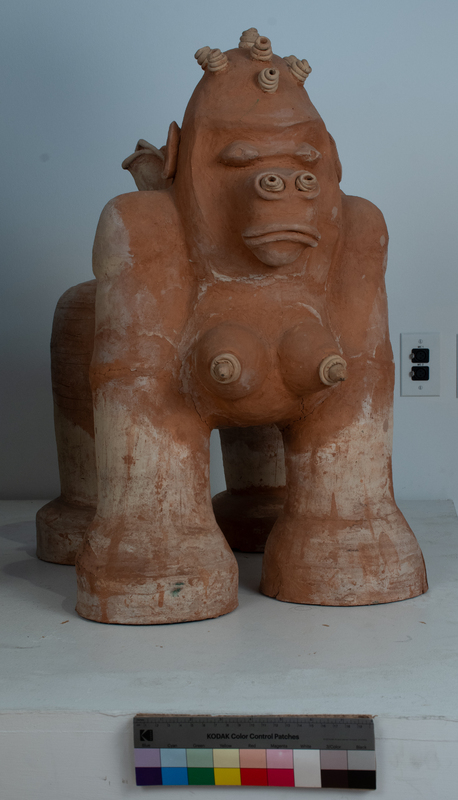
This terracotta sculpture features a mother gorilla with a child clinging to her back. The mother’s head, face, and body are adorned with spiral embellishments. A common theme featured in Texas Southern University’s permanent collection of terracotta sculptures is the relationship between mothers and their children.
Taylor's maquette shows a mother tightly embracing one or two children. The theme of the mother and child was a recurring motif amongst the students of Professor Carroll Harris Simms, the ceramics instructor at TSU. Simms worked alongside Dr. Biggers to build TSU's art program.
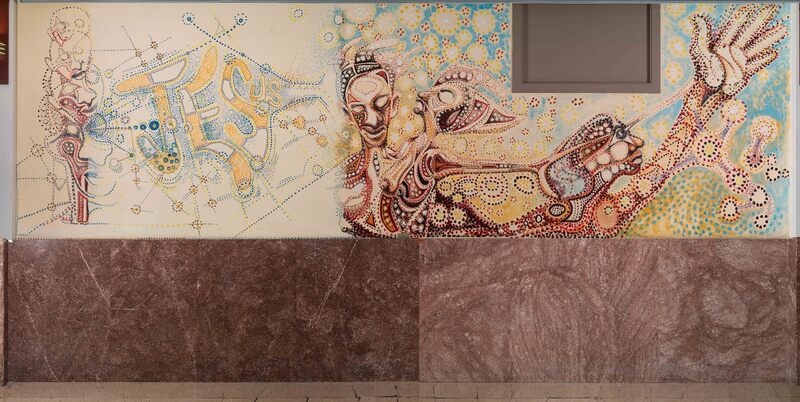
The only Hannah Hall mural in a pointillist style, it was partly destroyed during renovations. Edwards returned to repaint it. Perhaps because of the time demands of the pointillist technique, the repainted left side is less detailed than the right. Jesus, Mary, and Joseph are painted in abstract forms.
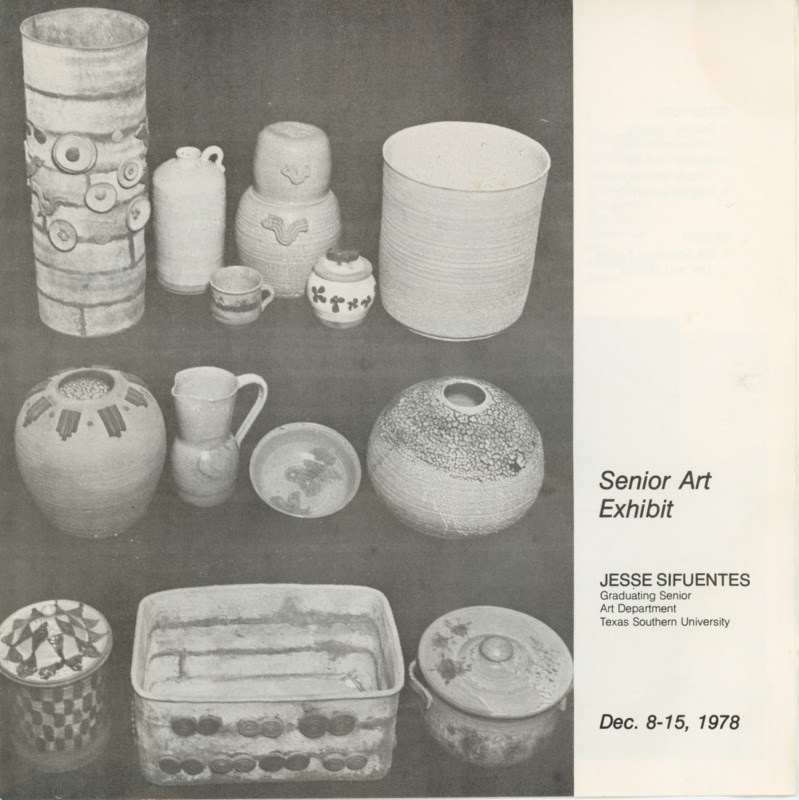
This is a brochure for Sifuentes’ senior art exhibition. The culmination of the Texas Southern art curriculum is a senior exhibition where students showcase artwork created over the course of their undergraduate studies. The brochure features a brief biography, a catalog of the artwork featured in the exhibition, and photos of two of his paintings and several of his ceramics. Sifuentes later returned to TSU to teach pottery, ceramics, and sculpture classes.
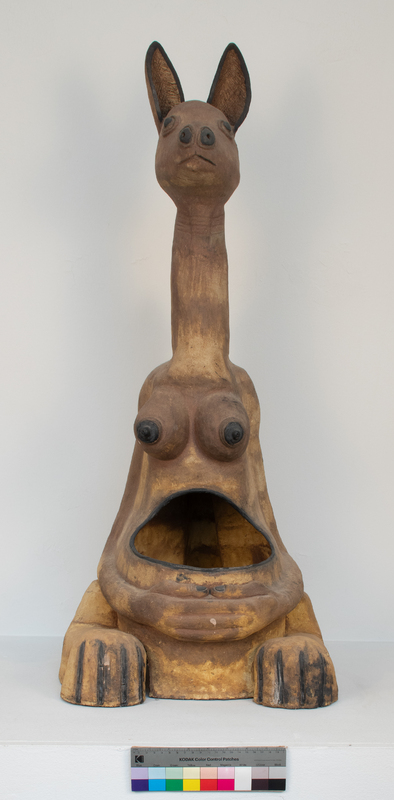
Moses Adams Jr.'s sculpture depicts a kangaroo mother with human-like hands and breasts. The clasped hands under the open pouch signify protection. Detailed, oversized hands are characteristic of the work of John Biggers and his students. Additionally, mothers of various forms and species are a common subject of the student terracottas from Texas Southern University.
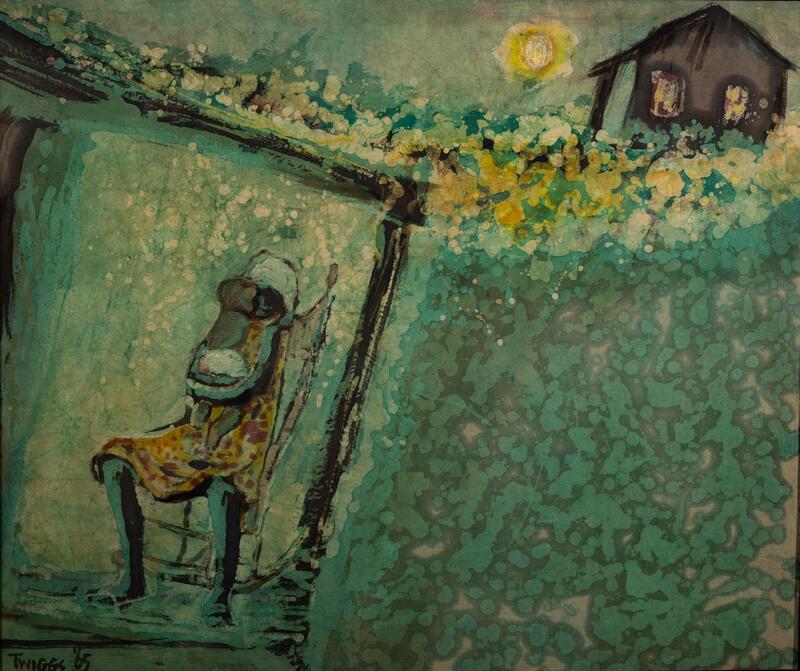
Leo Twiggs was an artist and art professor from St. Stephen, SC. Lullaby depicts a mother singing to her child in a rocking chair. The abstracted background shows farmland as the sun sets just beyond a barn.
Ross’s mural represents Black rural life in the early to mid twentieth century. The composition highlights the gendered division of labor, and how women’s work focuses on maintaining the home. Ross grew up in Huntsville, Texas, and this scene may represent his background and experiences.
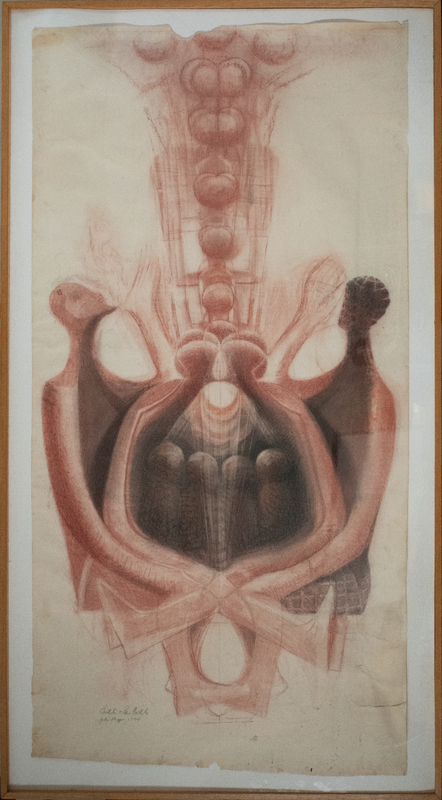
Biggers’ drawing shows several linked and overlapping human figures, with babies within the open space their bodies create. Above their heads, children divide and multiply like cells. The lower half of the drawing resembles the shape of the female reproductive system. Biggers called this form the "morning star." A very similar image to this piece appears in Biggers’ mural Family Unity. His artwork often emphasizes themes of motherhood, family, and life cycles.
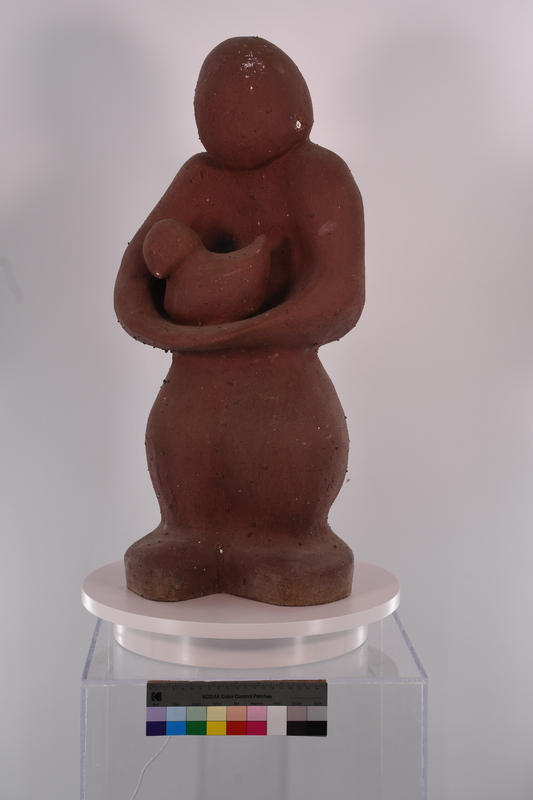
Windle’s terracotta portrays a figure embracing a bird in its arms. The exterior of the sculpture is smooth and lacking any of the decorative motifs typically featured on Texas Southern students’ terracottas. The embrace reflects the compassion of a mother and her child, while also displaying interspecies grace and kindness through the act of picking up this bird.
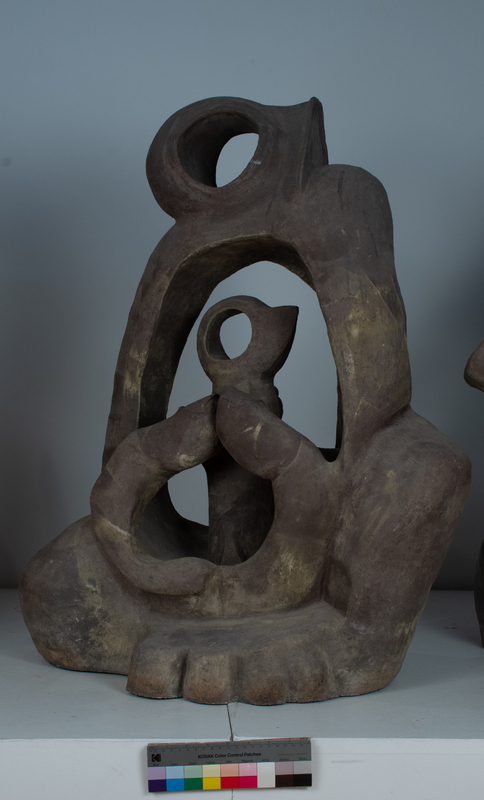
“Mother and Child,” by Warren Williams, reflects a theme of unity. The smaller figure is placed in the lap of the larger, held in place by two fingers connecting to form a circle. The sculpture’s form resembles a mother and child bird, perhaps perched in their nest. The mother-child relationship is an important motif in Texas Southern artwork.
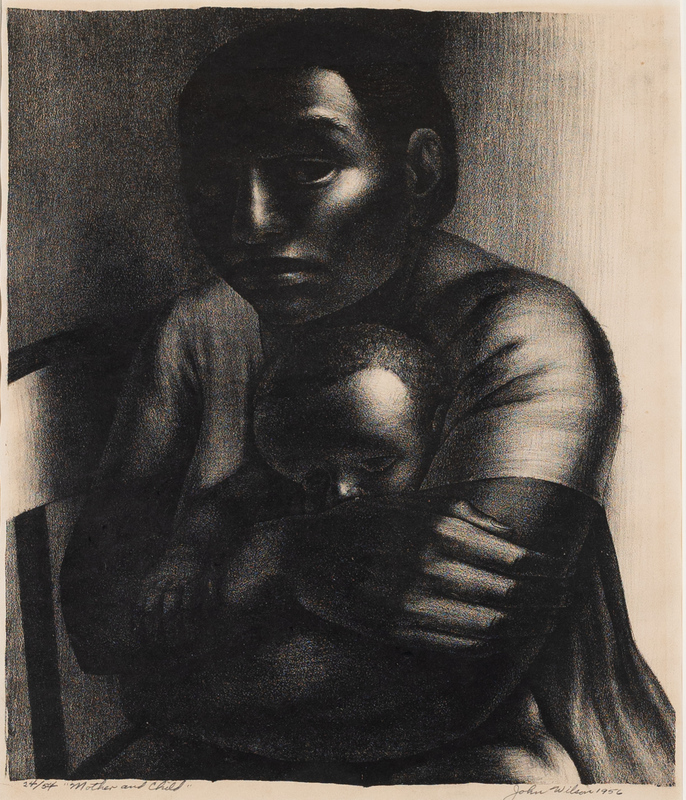
John Woodrow Wilson was a famous painter known for his creative portraits and stylistic approach to social justice. Mother and Child is a black-and-white depiction of a mother embracing their child. The mother has a solemn expression as she looks away from the viewer; her child is tucked into her arms, facing the viewer.