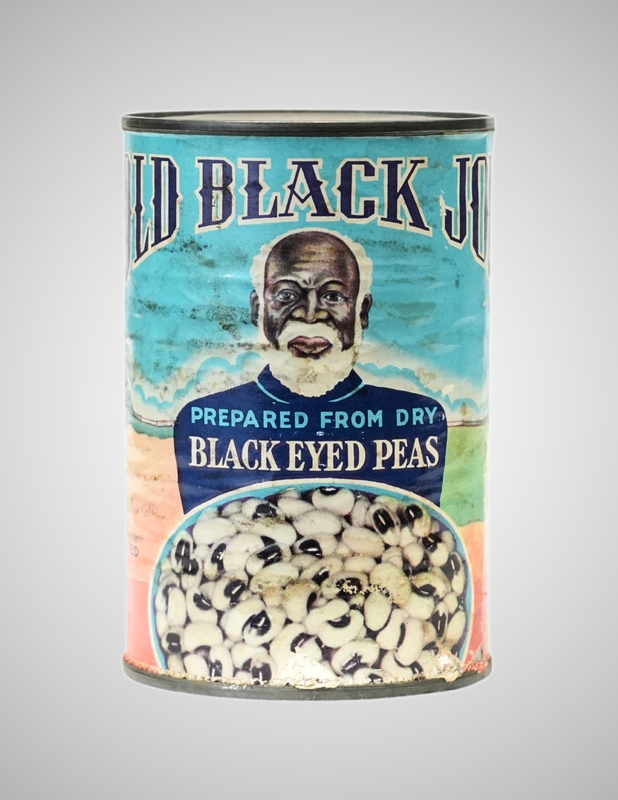
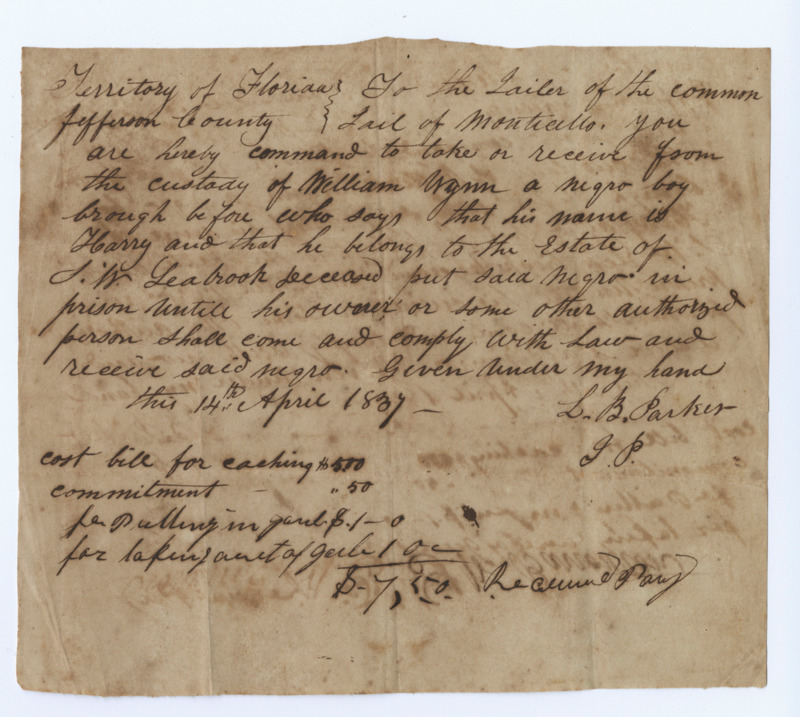
The vintage can of Black Eyed Peas features an illustration of an old Black man, embodying the racial stereotypes of the era. His depiction reflects the nostalgia and simplicity often associated with Southern cuisine. This artifact serves as a lens through which to examine the portrayal of African Americans in marketing.
Donated by former university President Elmira Mangum, Rudy the Rattler was a taxidermy-coiled rattlesnake that served as the Florida A&M mascot. A small sculpture, the taxidermy process involves preserving the animal’s body using various techniques to maintain its lifelike appearance and mounting it for display.
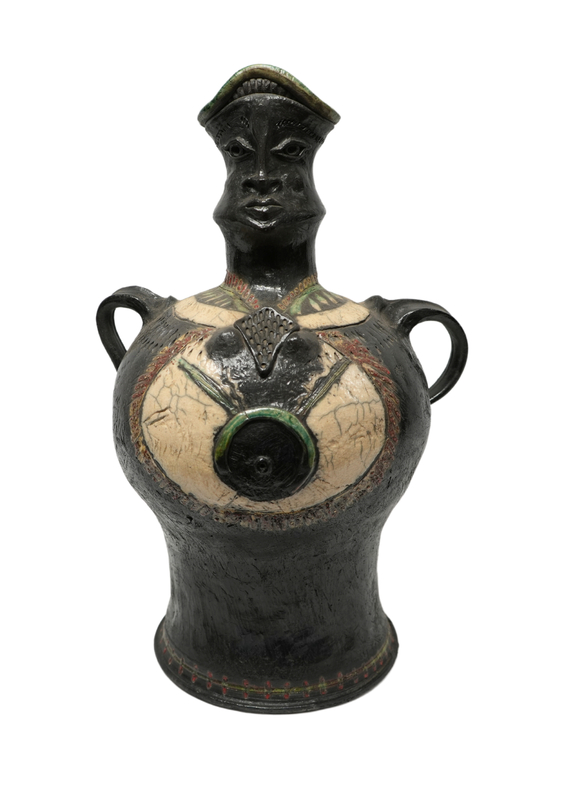
This rare pot is an original work of Yvonne and Curtis Tucker, a ceramic artist duo who developed a new art form, Afro-Raku. Their collaboration spanned 26 years and focused on honoring the past and the Black diaspora through West African spirituality. This pot, “Sunday Sister,” was meant to identify women as a classical, beautiful vessel.
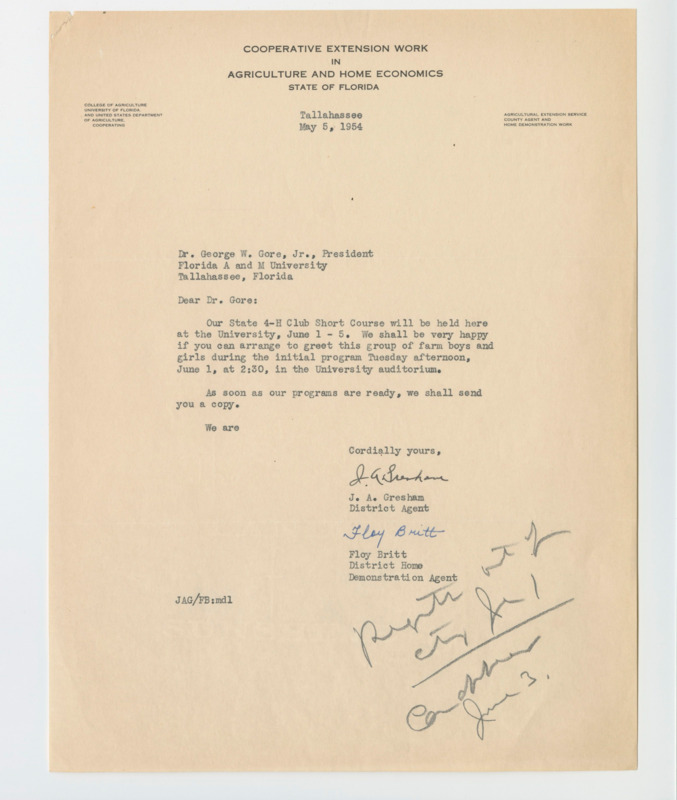
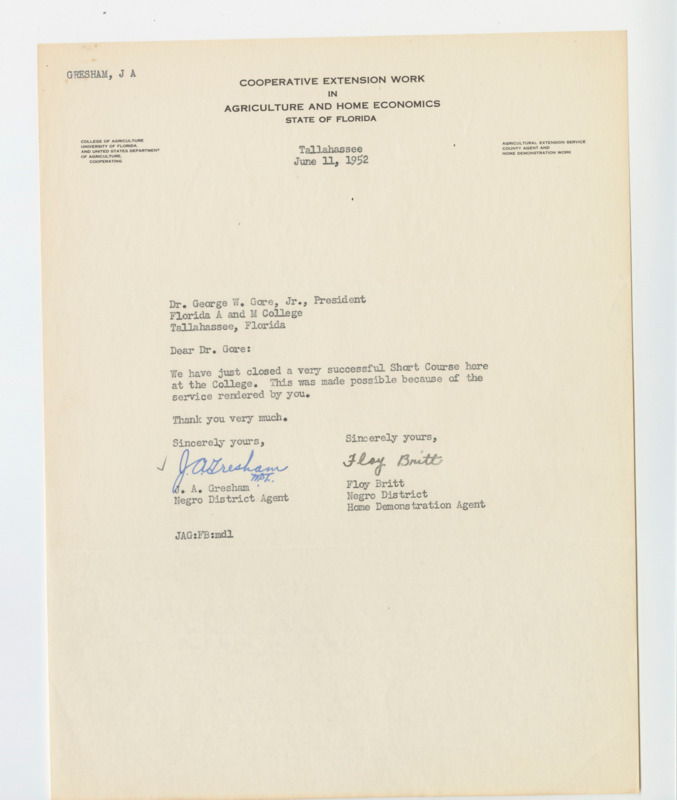
Recurring letters sent between President Gore and Negro District Agents have consistently featured invitations to the 4-H Annual Short Cours and program statistics. This highlights the ongoing efforts to elevate educational standards in Florida's agricultural and home demonstration programs.
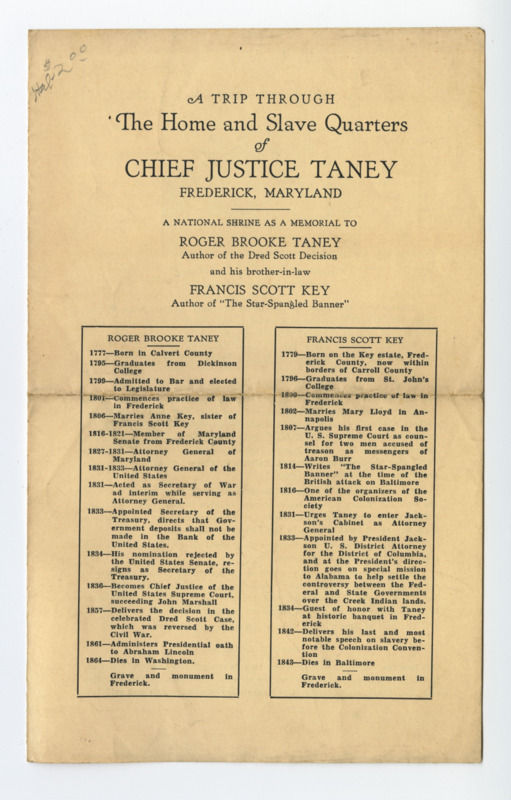
This document provides a glimpse into the Taney estate, showcasing its stairways, drawing room, and slave quarters. Special recognition was given to the Francis Scott Key Room, commemorating his legacy as the writer of the Star-Spangled Banner.
Annie Morganfield talks about sending her children to Head Start in 1966. She recounts going to community organizing meetings and informational sessions about the beginning of Head Start in Rolling Fork, Mississippi. She also talks about the experiences her children had in Head Start and other schools and touches on racial differences in schools.
Annual letters between President Gore and Negro District Agents include invitations to the 4-H Annual Short Course, detailed program statistics, and personal information of agents. The correspondences focused on initiatives to improve educational standards in agricultural and home demonstration programs throughout Florida.
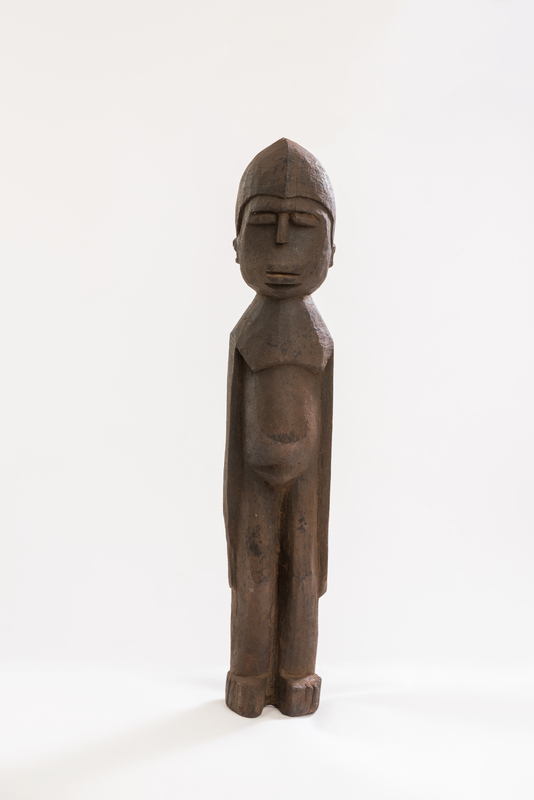
The Bateba, in Fante culture, is a guardian spirit that protects women and children from harmful field spirits. It symbolizes nurturing, protection, and resilience. At FAMU, the Bateba represents a cultural link to African heritage, emphasizing the protective role of spiritual figures in the lives of families and communities throughout history.
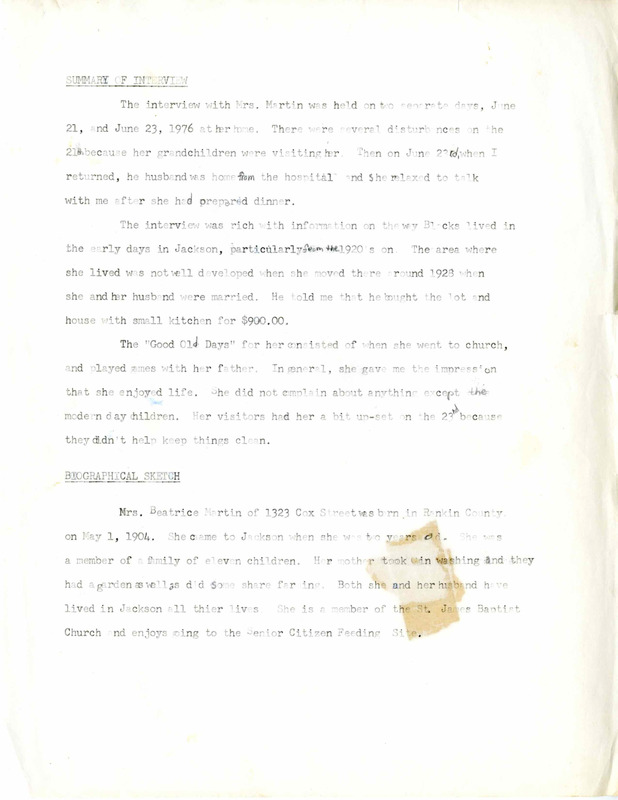
Beatrice Martin was born in Rankin County, Mississippi, in 1904 and moved to Jackson two years later. For her, the "Good Old Days" were when she was younger and went to church and played games with her father. She discusses getting married in 1928 and purchasing some land and a home in a part of Jackson that had not yet been fully developed.
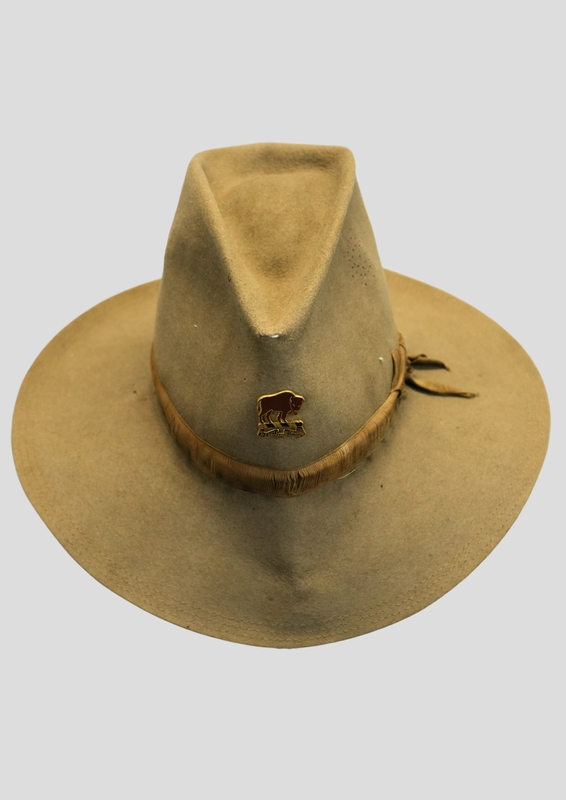
The Buffalo Soldier Stratton hat is a distinctive military headgear associated with the African American cavalry regiments known as Buffalo Soldiers, and belonged to Benjamin French. Crafted from durable materials, it features a wide brim and a high crown, symbolizing pride and resilience.
Clarence Hall Jr. was a board member for the initial Head Start programs in Sharkey and Issaquena Counties (Mississippi) in 1965. He talks about joining the Army and being in England for 3 years during World War II. He says that the treatment he experienced with racism after coming home led to his work in the community and with Head Start.
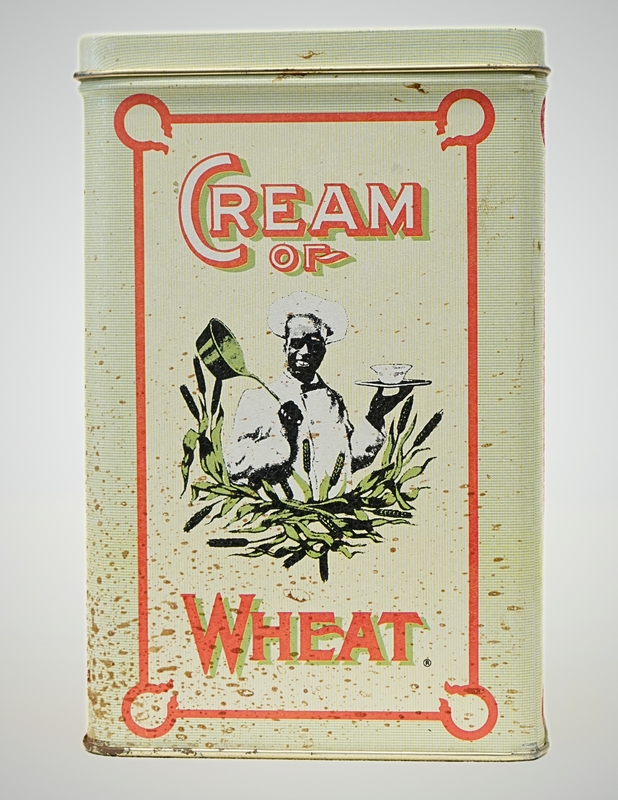
The Black likeness featured on vintage Cream of Wheat cans represents a historic portrayal of African American culture in advertising. Often depicting a smiling chef, this imagery reflects the era's complex relationship with race and representation in the food industry.
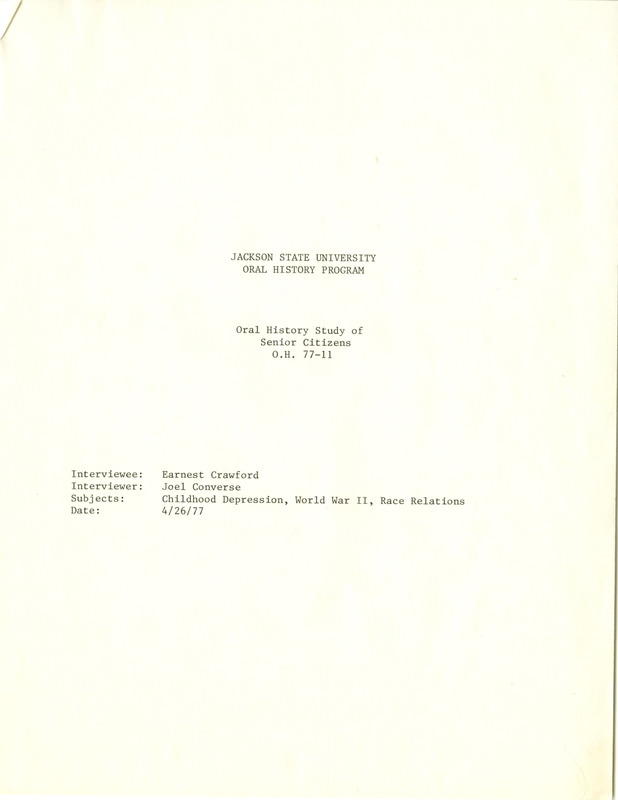
Earnest Crawford moved to Jackson, Mississippi, in 1940 to work for the Coca-Cola company and retired from there in 1965. Mr. Crawford talks about his experience sharecropping and his time spent as an airplane mechanic instructor during World War II. Only a biography, a summary, and an index are included.
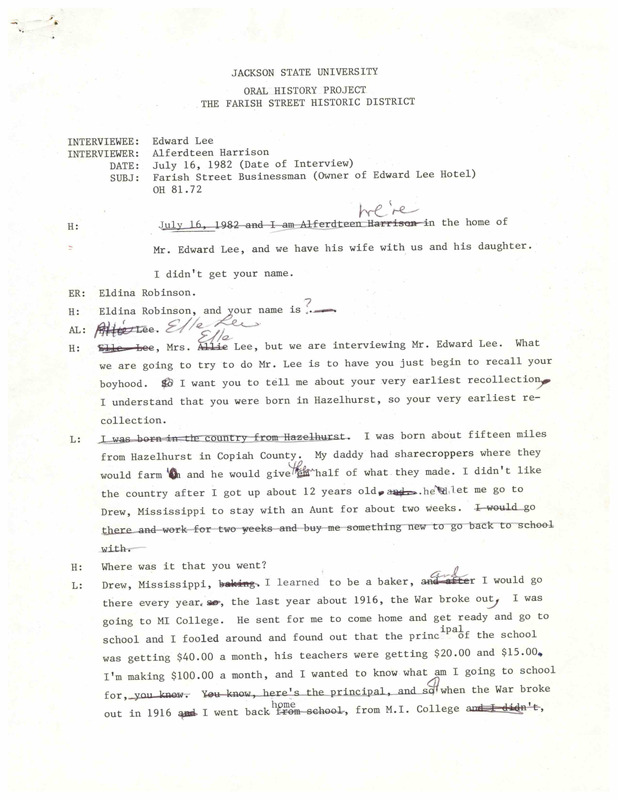
Edward Lee moved to the Farish Street District in 1925 and went on to own several restaurants in the area. He also booked and promoted dances and concerts for clubs and dance halls in the district. Mr. Lee talks about his education, life on a farm, family, and his youth. The transcript is heavily edited with handwritten notes.
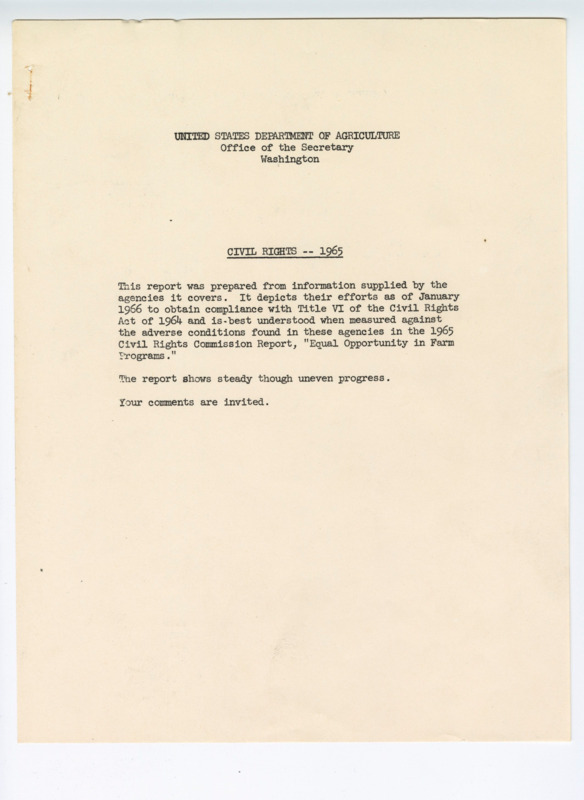
During President Gore's administration, the USDA pushed for increased Negro participation in agricultural decision-making, aiming to dismantle racial inequalities. Efforts included expanding access to resources, farming support, and programs like food stamps and school lunch initiatives for Negroes and other minorities across the South.
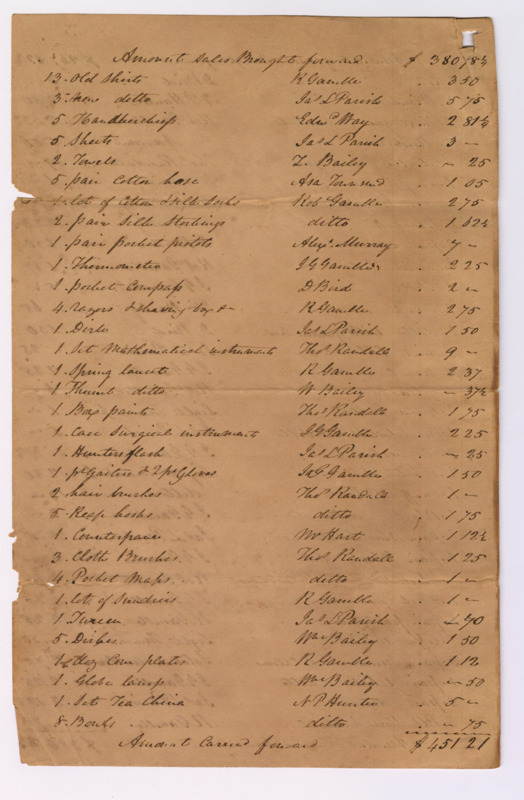
These rare 1832 slave documents from the Abraham Cabell estate provide detailed records of all of the slaves on the property and other purchases that were made. The list includes names, household items, property, and prices for everything.
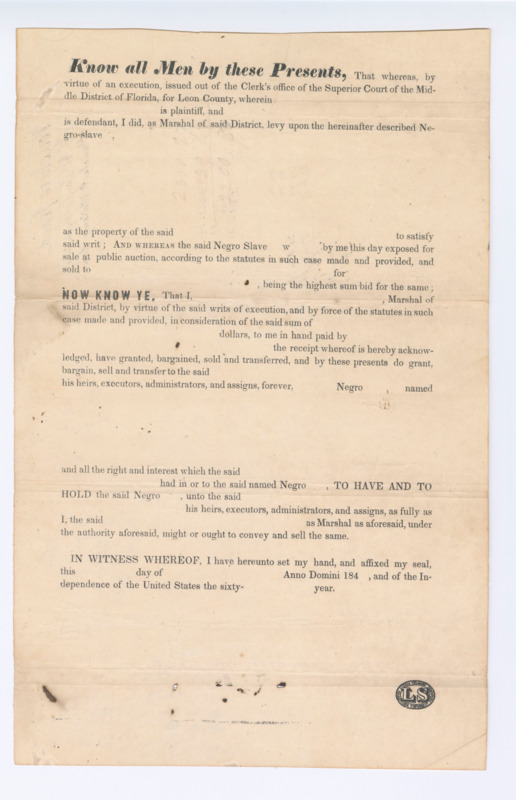
B. W. Taylor’s Estate Paper’s included a legal document that authorized the seizure and sale of an enslaved person to satisfy a debt or court judgment known as a Writ of Execution. This rare record illustrates the legal system’s role in treating enslaved individuals as property through the intersection of slavery and financial transactions.
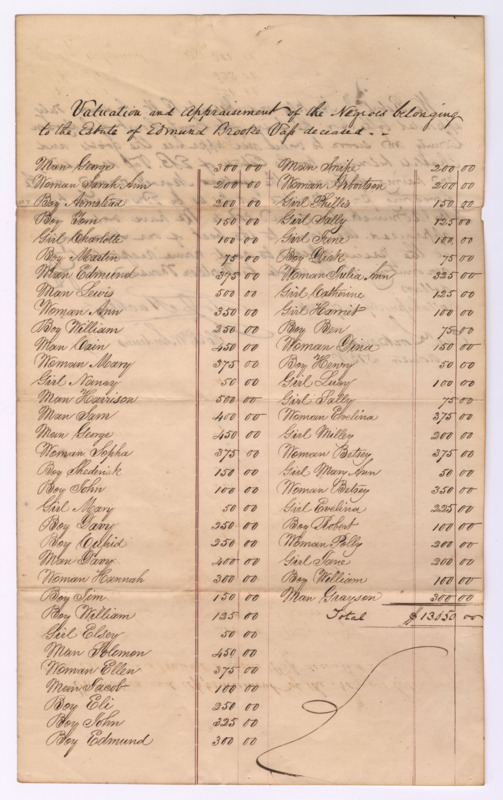
These rare 1843 slave documents from the deceased Edmund Brooke estate provide an itemized list of all of the slaves on the property. This list includes gender and age identifiers before each of their names, along with the price for each person.
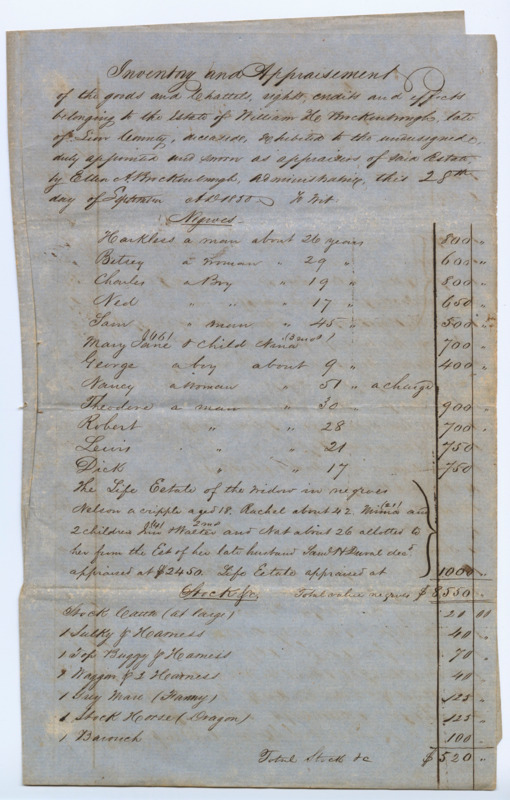
Rare 1850 slavery documents from the Ellen Brockenborough estate include a will and receipts of transfer between family members. These records provide critical insight into the legal and economic treatment of enslaved people as property, revealing the deep entrenchment of slavery in family estates.
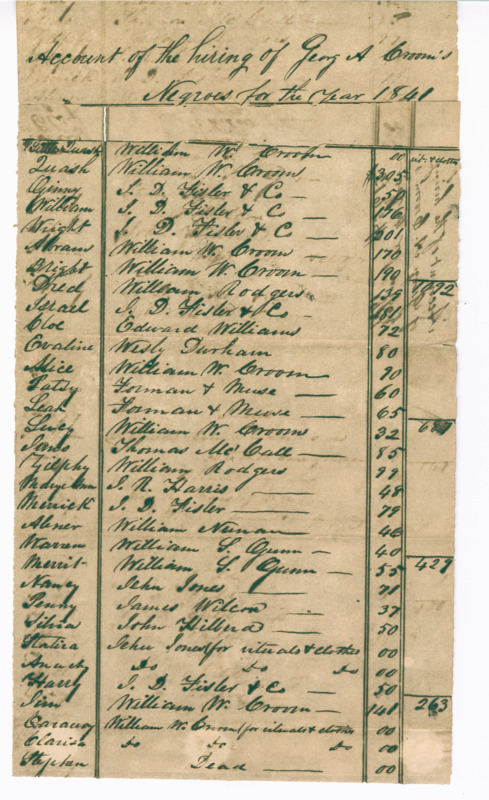
These rare 1841 slavery documents detail the hiring of Georg A. Croom's enslaved individuals, providing a unique glimpse into the leasing practices of the time. These records include contracts and financial arrangements, offering insight into the economic exploitation of enslaved labor and the broader system of slavery in the antebellum South.
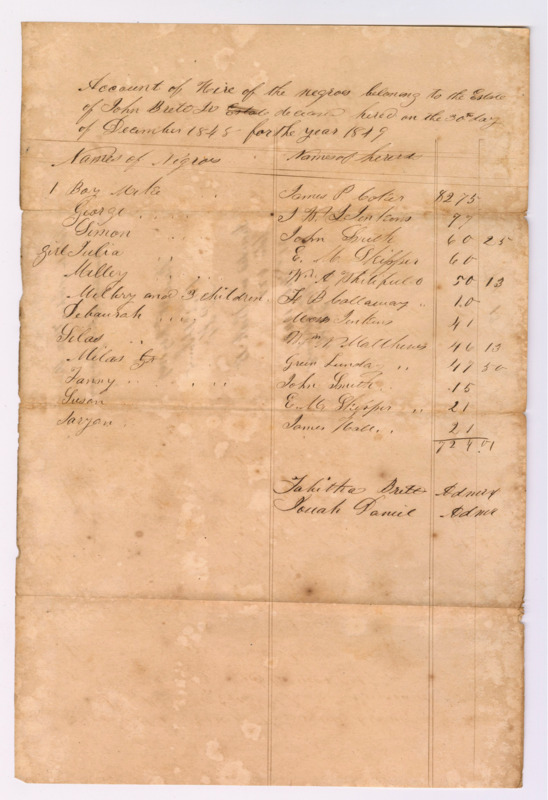
This document is an account of the enslaved African persons belonging to John Breto, Jr. It contains a list of their names and prices, calculated on December 30, 1848, for the year 1849.
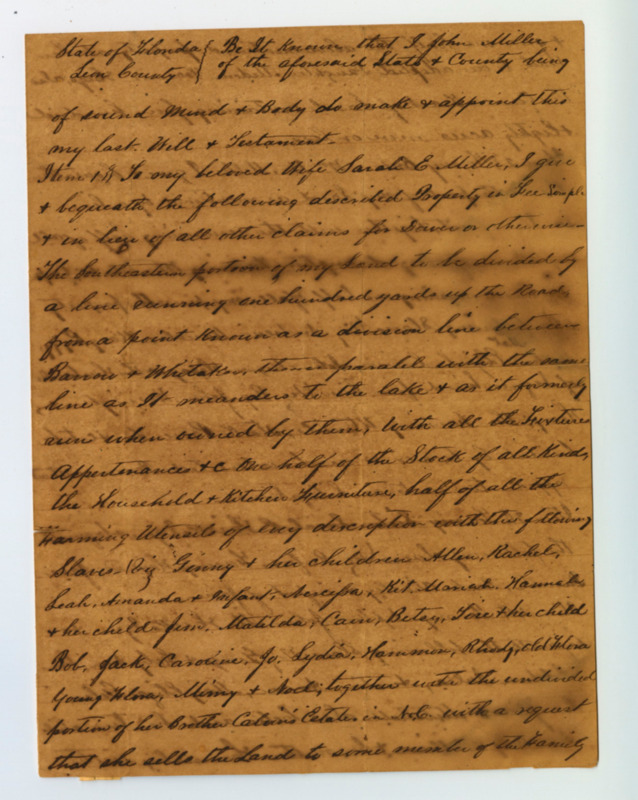
Estate papers of John Miller include his will and testament, detailing the distribution of property, including enslaved individuals. These documents provide significant insight into the legal processes surrounding inheritance and the treatment of enslaved people as assets, showcasing the economic reliance on slavery in the antebellum South.
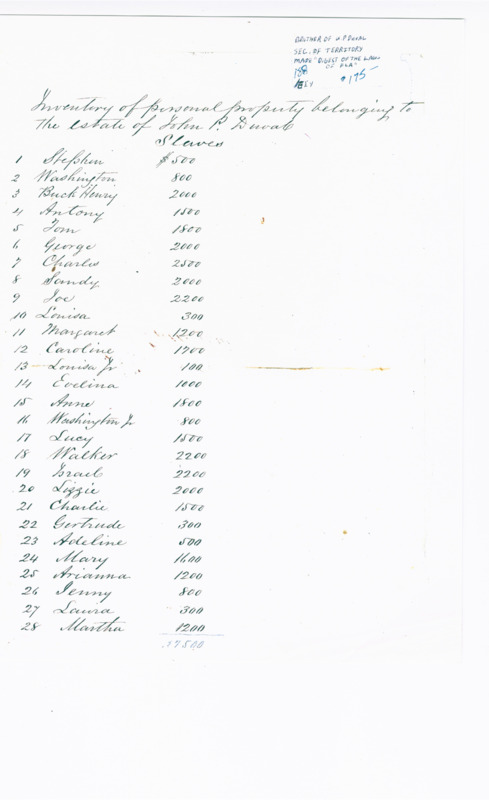
This document offers an inventory of the personal property belonging to the estate of John P. Duval. It contains a list of names of enslaved people and their prices.
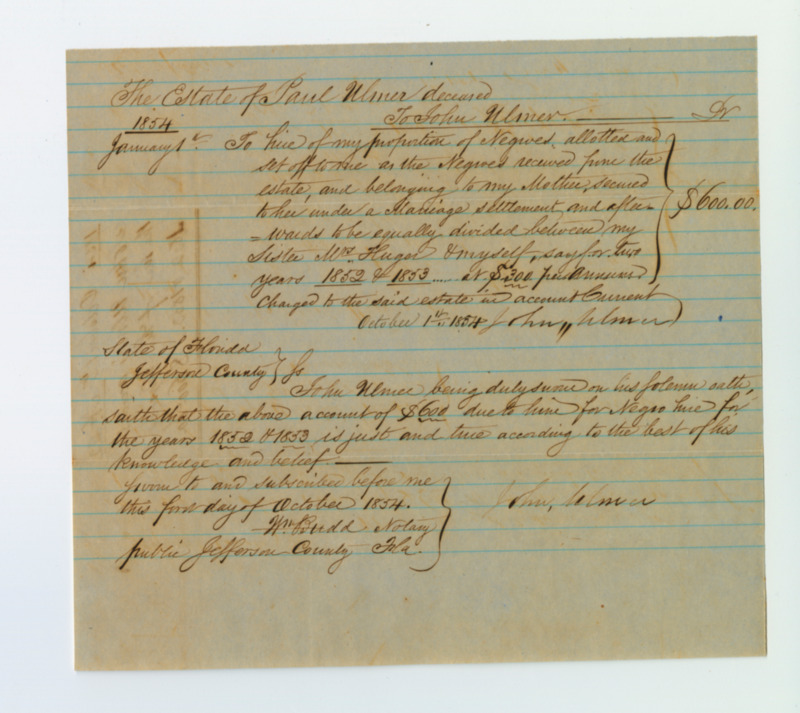
The 1854 petition by John Winer outlines the division of his deceased mother’s property, including employment of enslaved persons, with his sister. This document reveals the complexities of familial inheritance, the management of enslaved labor, and the economic implications of slavery within family dynamics.
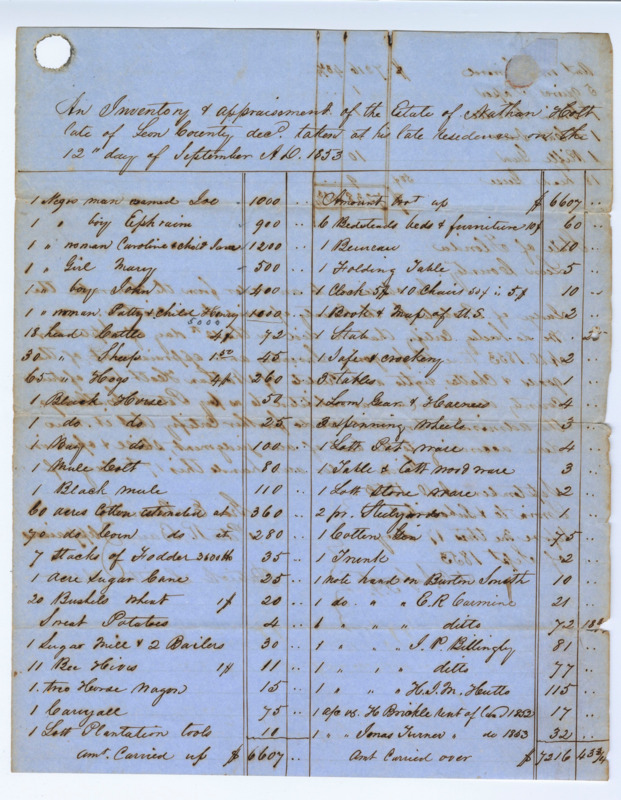
These rare 1853 slavery documents from the estate of Nathan Holt in Leon County detail the inventory, valuation, and transfer of enslaved individuals. These records offer crucial insights into the management and distribution of enslaved labor within an estate, reflecting the economic and social structures of slavery in mid-19th century Florida.
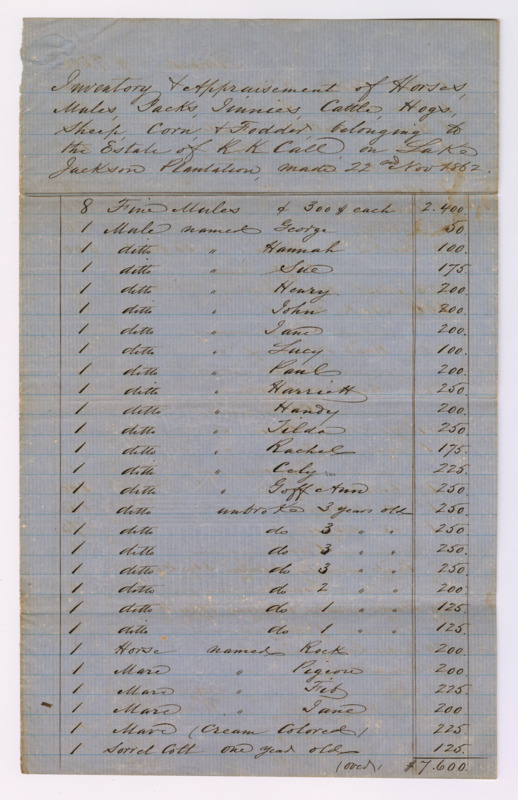
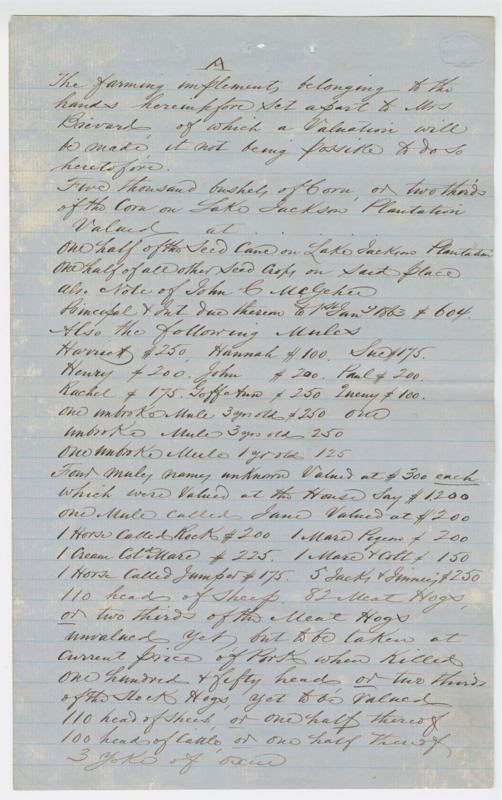
These rare 1862 slave documents from the Richard Call estate provide a detailed account of enslaved individuals at the Lake Jackson Plantation in Florida. These records include names, ages, and roles of enslaved people, offering critical insight into the operations of the estate and the broader system of slavery during the Civil War era.
The rare 1863 will and testament from Richard Call Keith provide documentation of his wishes to pass down his property. This document includes not only a written statement but also a list of all of the slaves he had ownership of. The list includes each of their names, ages, health conditions, and prices.
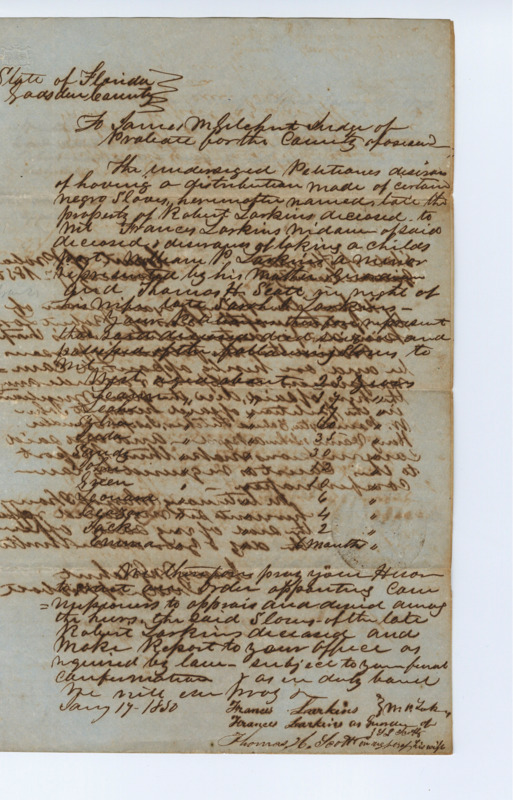
This rare 1850 slave document from Robert Larkin's estate discusses the manner of the estate's distribution. The ledgers include descriptions and price breakdowns.